

Slava
Story about the Trial of Stepan Bandera’s Assassin and the power of truth.
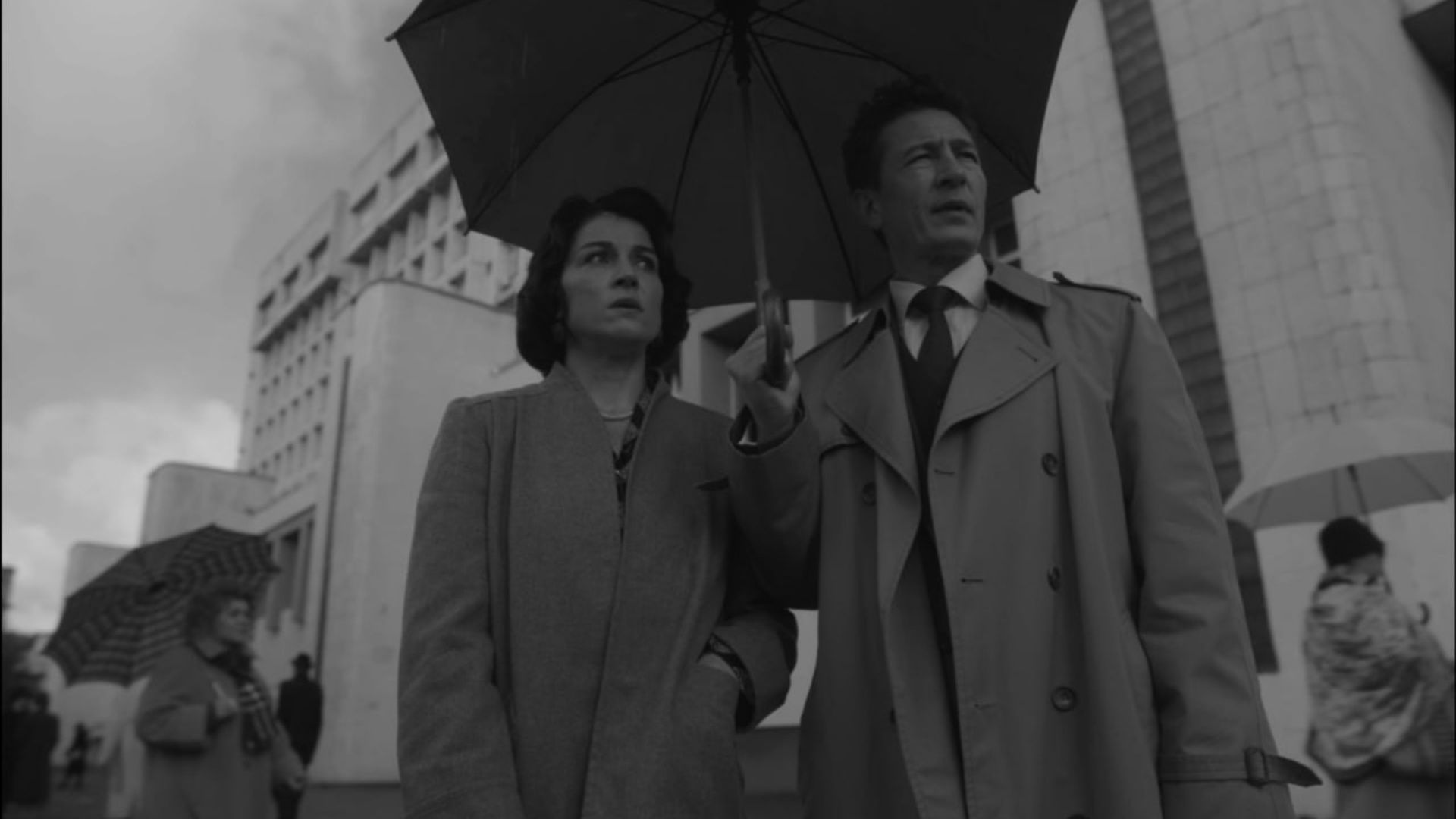
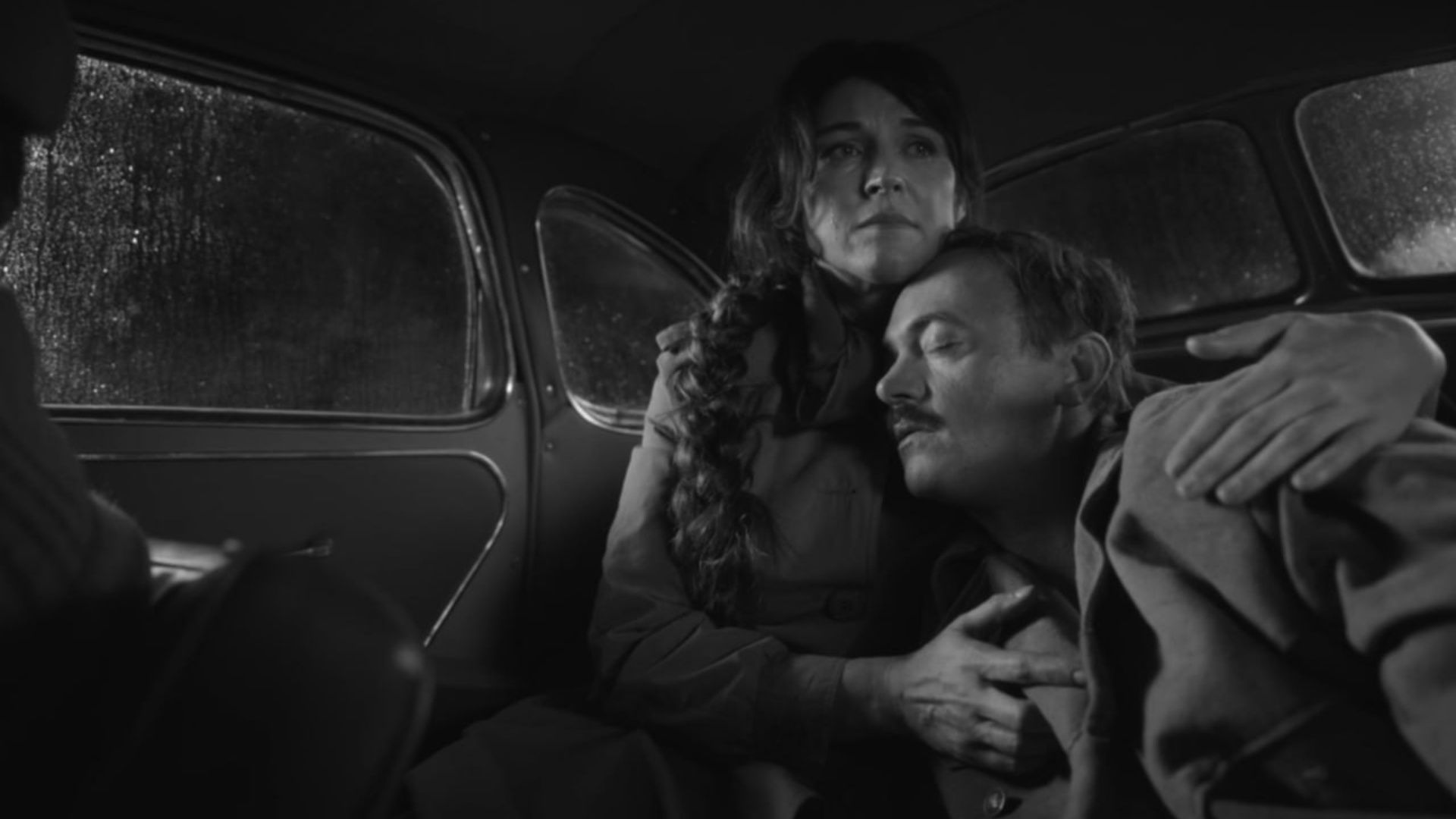
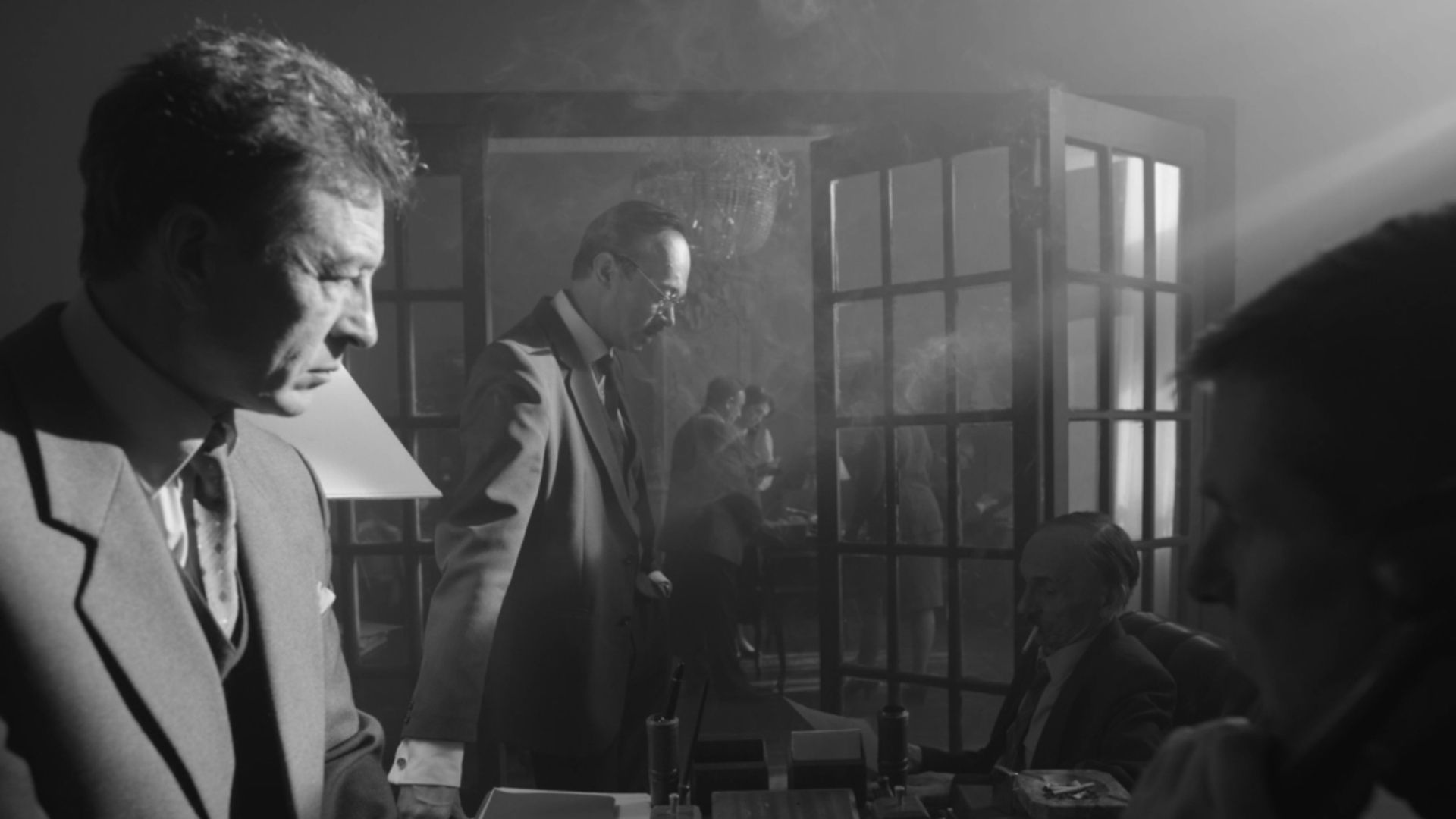
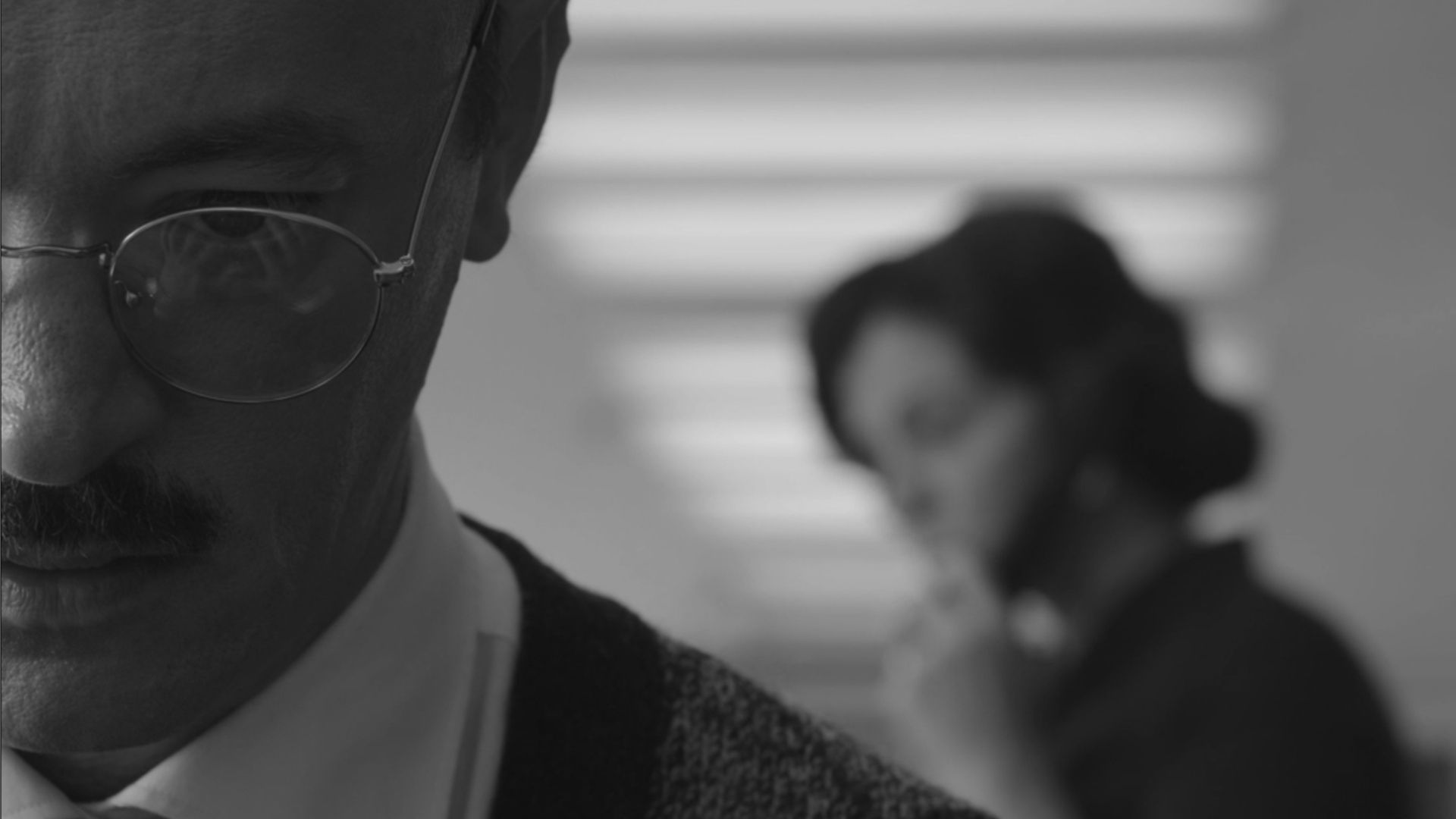
Karlsruhe, West Germany, 1962. On trial is Bohdan Stashynsky, a KGB agent who has confessed to killing Stepan Bandera. The case is being framed as a “routine criminal incident”, deliberately concealing the political context behind a series of targeted assassinations.
Slava and Yaroslav Stetsko launch a large-scale information campaign: television and radio broadcasts across the United States and Europe, protests outside Soviet embassies, and collaboration with the press and communities abroad. Their message is sharp and direct: the KGB, the USSR, and Khrushchev are the architects of political murder beyond Soviet borders.
The world begins to listen – and the Kremlin responds with direct threats. Friends become cautious, urging the rhetoric be softened. But the trial evolves into a public indictment of a state that exports terror. The entire system of communist imperialism appears in the defendant’s seat.
Slava is a film about how persistence – and the power of truth – can turn a criminal case into a historical verdict. And about the personal cost of victory paid by those brave enough to fight for it.

Biography
Denys Sobolev is a writer and director, born in 1993. Originally from Luhansk (currently under Russian occupation), he later moved to Kyiv, where he graduated from the Kyiv National University of Television and Cinema.
Filmography
The Code of Cain (2016, co-dir), V chorniy, chorniy kimnati (In a Dark Dark Room, 2020), The Hitcher Girl (2023), Slava (2026)


Screenings
